

Understanding India's Warehouse Management Services in 2026: Infrastructure, Technology, and Operational Excellence
India’s warehousing landscape is undergoing fundamental restructuring as supply chains evolve from fragmented storage networks to integrated logistics ecosystems. This transformation reflects shifting consumer expectations, regulatory frameworks that encourage consolidation, and technological capabilities that enable unprecedented operational visibility. For businesses navigating these changes, understanding what constitutes adequate warehousing infrastructure in 2026 requires examining not merely storage capacity but the systems, certifications, and operational sophistication that differentiate functional space from strategic assets.
Market Dynamics Reshaping Warehousing Demand
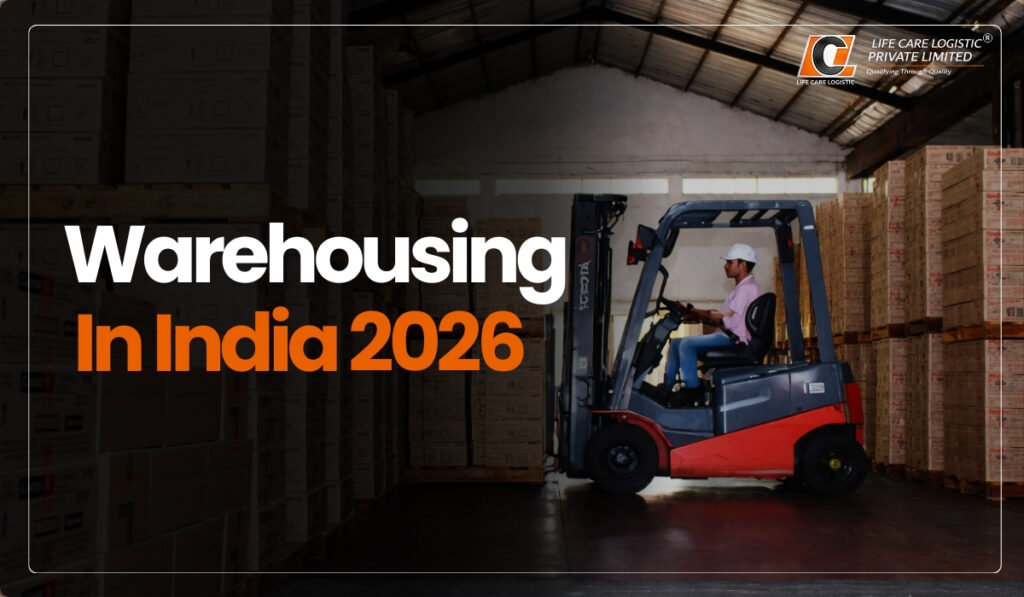
India’s warehousing market is projected to reach 516 million square feet by 2026, expanding from 344 million square feet in 2023—a growth trajectory driven by e-commerce penetration, organized retail expansion, and manufacturing sector requirements. This 50% increase in three years represents more than physical space addition; it signals a decisive shift toward performance-driven warehouse management services in india 2026, where infrastructure, technology, and execution quality define competitive advantage.
The growth isn’t uniformly distributed across warehouse types or geographies. Cold storage facilities are experiencing disproportionate demand growth, driven by pharmaceutical cold chain requirements, the expansion of fresh food distribution networks, and consumer preferences for temperature-sensitive products. Simultaneously, Grade A warehouses—facilities meeting stringent structural, safety, and operational standards—now account for nearly 40% of new supply, reflecting tenant preference for compliance-ready infrastructure over basic storage sheds.
Geography matters increasingly. While metropolitan hubs like NCR, Mumbai, Bangalore, and Chennai maintain dominant positions due to consumption density, Tier-2 cities, including Lucknow, Jaipur, and Coimbatore, are emerging as fulfillment nodes. This decentralization enables regional distribution strategies that reduce last-mile costs while improving delivery timelines to markets beyond metro catchments.
What Businesses Actually Need: Beyond Square Footage
The question confronting businesses in 2026 isn’t simply “Do we need more warehouse space?” but rather “What capabilities must our warehousing infrastructure provide?” This distinction proves critical as supply chains become performance-sensitive rather than merely cost-sensitive.
Regulatory Compliance Infrastructure: GST implementation fundamentally altered India’s warehouse requirements by enabling centralized distribution over state-by-state fragmentation. However, realizing GST benefits requires facilities that support consolidated operations—adequate ceiling heights for vertical racking, loading dock configurations handling simultaneous multi-vehicle operations, and floor loading capacities accommodating mechanized material handling equipment. Facilities lacking these specifications constrain operational efficiency regardless of square footage.
Temperature Control Capabilities: The requirement for climate-controlled storage extends well beyond pharmaceuticals and perishables. Electronics, cosmetics, specialty chemicals, and numerous FMCG categories now specify temperature parameters for quality maintenance. For businesses in these sectors, access to refrigerated or climate-controlled space transitions from value-add to operational necessity. The infrastructure requirements differ substantially—dedicated HVAC systems, insulated construction, backup power provisioning, and monitoring systems documenting temperature compliance throughout storage duration.
Technology Integration: Warehouse Management Systems (WMS) have evolved from an administrative convenience to an operational requirement. Real-time inventory visibility, automated putaway and picking optimization, barcode-driven accuracy, and system integration with enterprise ERP platforms enable the inventory velocity and accuracy that modern supply chains demand. However, WMS effectiveness depends on facility design—adequate aisle widths for scanning equipment, structured racking enabling location-based inventory management, and network infrastructure supporting mobile devices throughout the warehouse.
Certification and Audit Readiness: For businesses serving regulated industries or international clients, warehouse certifications increasingly influence partnership decisions. ISO 9001:2015 validates quality management systems, while ISO 22000:2005 addresses food safety management. These certifications require documented processes, regular audits, controlled access protocols, and traceability systems—operational frameworks that distinguish certified facilities from basic storage providers.
Operational Requirements: The Human and Process Elements
Physical infrastructure represents only one dimension of warehousing adequacy. Operational capability—the systems, processes, and workforce expertise that convert space into functional logistics—determines whether facilities deliver strategic value or merely defer inventory storage costs.
Workforce Stability and Expertise: Warehouse operations combine physical labor with process adherence, quality verification, and system interaction. Effective execution requires trained personnel who understand client-specific requirements, handle products appropriately, maintain documentation accuracy, and operate within safety protocols. Organizations demonstrating high workforce retention rates signal operational consistency—when personnel turnover is minimal, institutional knowledge accumulates, client-specific processes become embedded, and service quality remains stable even during demand fluctuations.
Standard Operating Procedures: Warehouses managing diverse product categories, multiple clients, or complex fulfillment requirements need documented procedures governing every operational aspect—inbound verification protocols, storage assignment logic, picking accuracy verification, packing standards, and outbound load checking. These SOPs, combined with regular training and audit programs, ensure that operational quality doesn’t depend on individual employee knowledge but reflects systemic capability.
Safety and Risk Management: Warehouse operations involve inherent risks—material handling equipment operation, heavy product storage, personnel working at heights, and simultaneous vehicle movements. Facilities implementing comprehensive safety programs—regular equipment maintenance, personnel protective equipment requirements, emergency response protocols, and incident documentation systems—reduce operational disruptions while protecting both workforce and client inventory.
Technology as Enabler: What Digital Systems Actually Deliver
Technology integration in warehousing extends beyond WMS implementation to encompass transport visibility, analytics capabilities, and system interoperability that create actionable intelligence from operational data.
Real-Time Visibility Systems: GPS-enabled fleet tracking synchronized with warehouse systems provides end-to-end supply chain visibility. Clients can monitor inventory movements from inbound receipt through final delivery, with milestone updates, exception alerts, and estimated arrival times based on actual vehicle positions. This visibility enables proactive decision-making—rescheduling production based on material arrival delays, alerting customers about delivery timing, or redirecting shipments based on changing priorities.
Data Analytics and Reporting: Modern warehousing generates substantial operational data—inventory movements, order processing times, accuracy rates, storage utilization patterns, and transport performance metrics. Analytics platforms convert this data into actionable insights: identifying slow-moving inventory requiring space optimization, detecting accuracy issues requiring process intervention, or quantifying seasonal demand patterns informing capacity planning. Customized reporting systems enable clients to evaluate logistics performance against business KPIs rather than merely tracking operational metrics.
System Integration Capabilities: Warehouses don’t operate in isolation—they connect to client ERPs, transport management systems, and often customer-facing platforms. Effective integration via APIs, EDI protocols, or data exchange formats eliminates manual data entry, reduces information lag, and ensures that inventory, order, and shipment data remain synchronized across systems. This integration capability increasingly distinguishes strategic logistics partners from transactional service providers.
Evaluating Provider Capabilities: What Questions to Ask
For businesses assessing warehousing partners in 2026, several evaluation dimensions provide insight into operational adequacy beyond standard facility tours and pricing discussions.
Infrastructure questions should address specifics: What floor loading capacity supports your racking requirements? How many loading docks enable simultaneous vehicle operations? What backup power capacity ensures climate control continuity? What fire suppression systems protect inventory? These technical specifications directly influence operational capability.
Operational inquiries should explore process maturity: How are inbound goods verified against documentation? What picking accuracy rates do you maintain, and how is this measured? What inventory cycle counting protocols ensure data accuracy? How are client-specific handling requirements documented and enforced? The depth and specificity of responses indicate process sophistication.
Technology discussions should evaluate integration: What WMS platform manages operations, and what reporting capabilities exist? How do you integrate with client ERP systems? What transport visibility exists for outbound shipments? What historical data retention supports analytics? Technology capabilities determine whether partnerships enable supply chain optimization or merely offload storage responsibility.
Certification and compliance questions validate operational rigor: What ISO certifications do facilities maintain? What audit schedules and processes ensure ongoing compliance? How are temperature excursions documented and addressed? What insurance coverage protects client inventory? These factors indicate risk management maturity.
Providers delivering integrated models, such as lifecare logistic warehouse management services, demonstrate how certified infrastructure, process discipline, and technology-led execution translate warehousing from a cost center to a strategic supply chain function.
Future Considerations: Preparing for Evolution
India’s warehousing requirements will continue evolving as consumer behaviors shift, technologies mature, and competitive pressures intensify. Several trends merit consideration when evaluating long-term warehousing strategies.
Automation will increasingly influence warehouse design and operations. While full automation remains capital-intensive, targeted deployments—automated storage and retrieval systems for high-velocity SKUs, conveyor systems reducing manual handling, or robotics supporting picking operations—will become more accessible. Warehouses designed with automation-ready infrastructure position clients for incremental technology adoption as business volumes justify investment.
Sustainability considerations are transitioning from peripheral concerns to evaluation criteria. Energy-efficient facility design, renewable power integration, waste reduction programs, and sustainable packaging options increasingly influence client decisions, particularly for businesses with ESG commitments or consumer bases prioritizing environmental responsibility.
Flexibility in warehouse partnerships—the ability to scale capacity seasonally, enter or exit markets without long-term capital commitments, or test distribution strategies before infrastructure investment—becomes valuable in volatile market conditions. Providers offering flexible arrangements enable business agility while reducing fixed cost exposure.
Conclusion
Understanding warehousing requirements in 2026 demands looking beyond space availability to evaluate the infrastructure quality, operational capability, technological sophistication, and certification rigor that determine whether facilities support business objectives or merely store inventory. As India’s logistics sector matures, the performance gap between basic storage providers and sophisticated logistics partners will widen, making provider selection increasingly consequential for supply chain effectiveness.
For businesses navigating these decisions, the evaluation framework should encompass technical specifications, operational processes, technology capabilities, and organizational stability. The warehousing partner relationship extends beyond transactional space rental to become a strategic collaboration influencing customer service levels, inventory efficiency, and ultimately, competitive positioning in markets where supply chain performance increasingly differentiates winners from participants.
Enterprise-grade logistics solutions with integrated warehousing, transport networks, and quality-driven operational controls.